Myofascial Release Tools and Foam Rollers
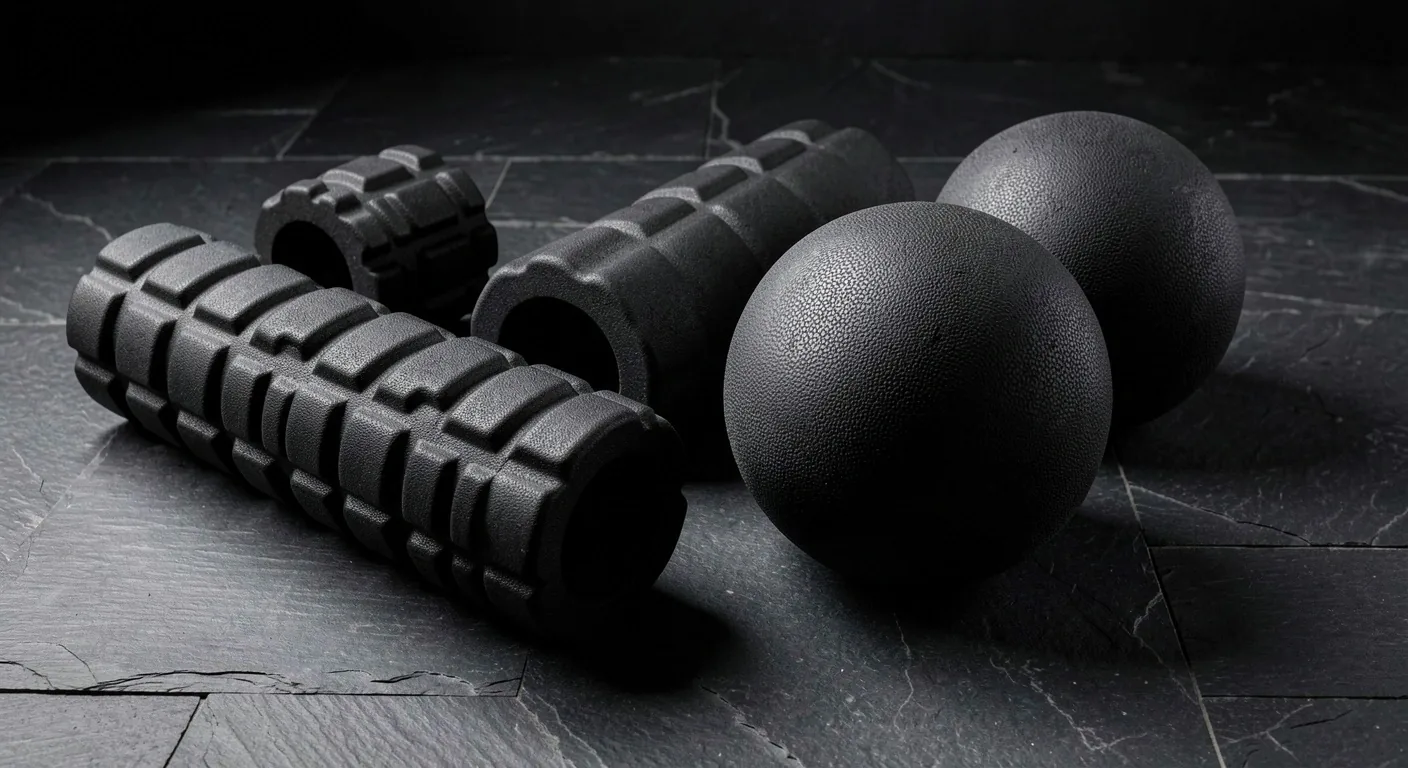
Achieving deep tissue release requires tools that withstand pressure and reach specific muscle groups. Our selection of foam rollers and MFR equipment is built for athletes who manage muscle knots and stiffness independently — from high-density smooth rollers to textured trigger point tools.
The Mechanics of Foam Rolling
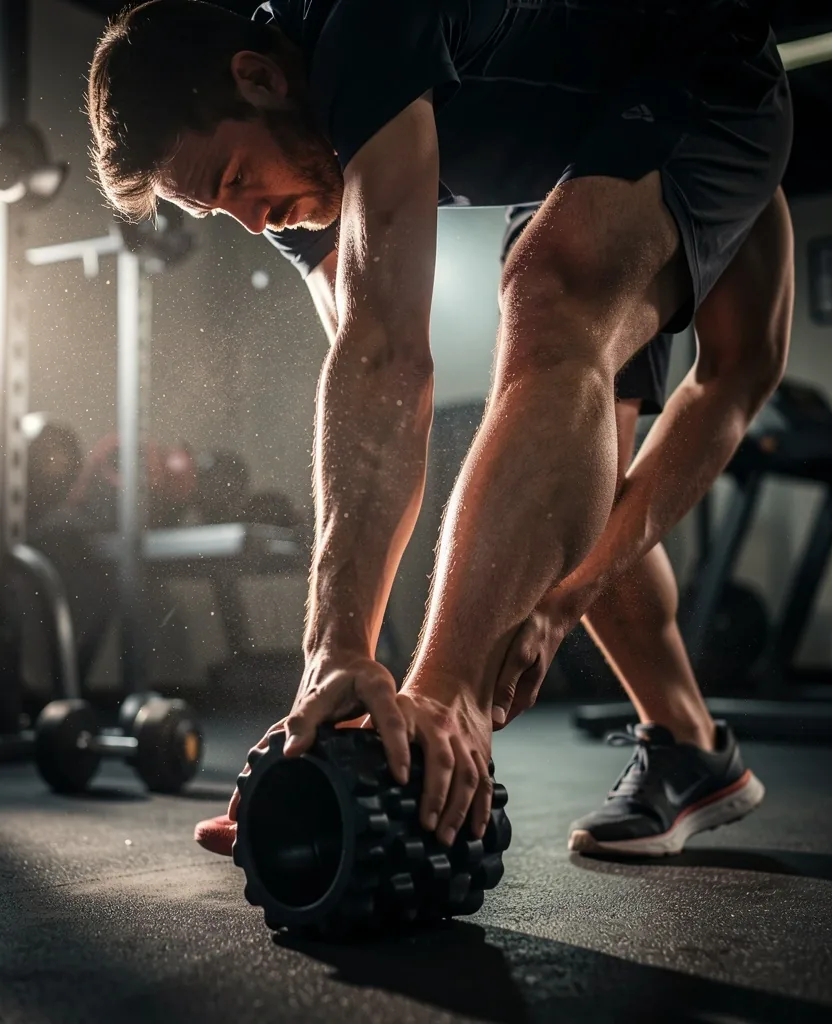
Foam rolling works by using your own body weight to apply pressure to the soft tissue. This process helps smooth out the fascia — the connective tissue that surrounds your muscles. Regular use of a muscle massage roller can reduce the feeling of tightness that often follows heavy resistance training.
The principle is straightforward: sustained pressure on a targeted area encourages the fascia to move and adapt. Rather than rushing through a pass, you let the roller sink into position and let gravity do the work. This makes the technique accessible to anyone with a roller and a small amount of floor space — no additional equipment required.
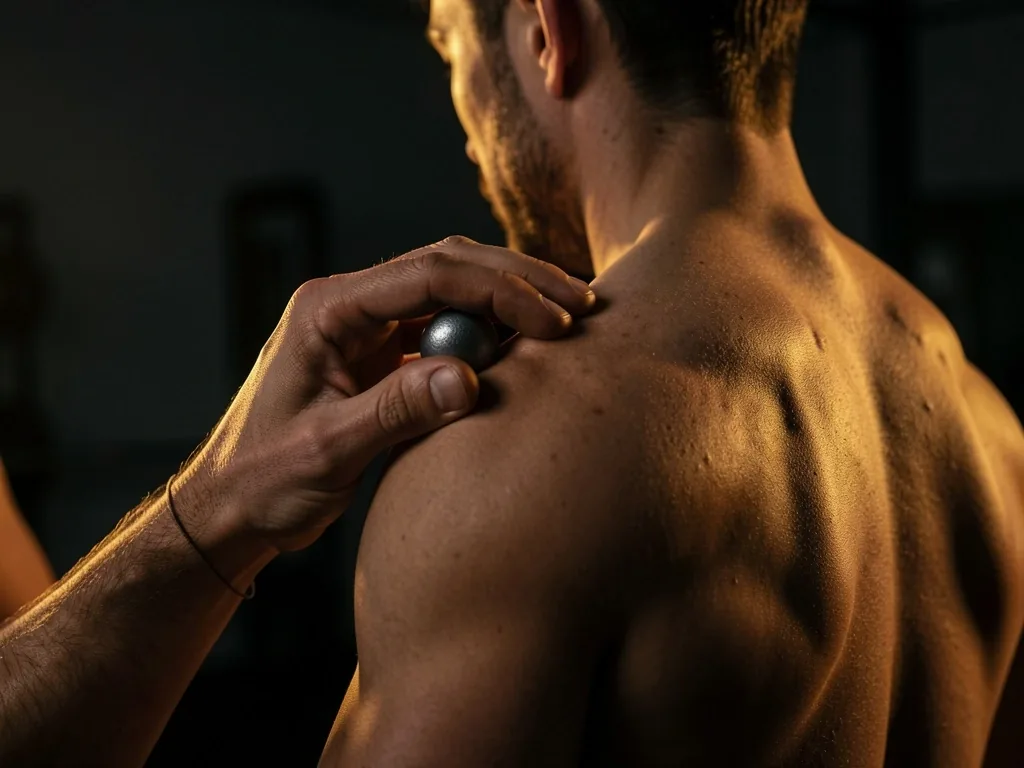
Peanut Massage Balls for Precision
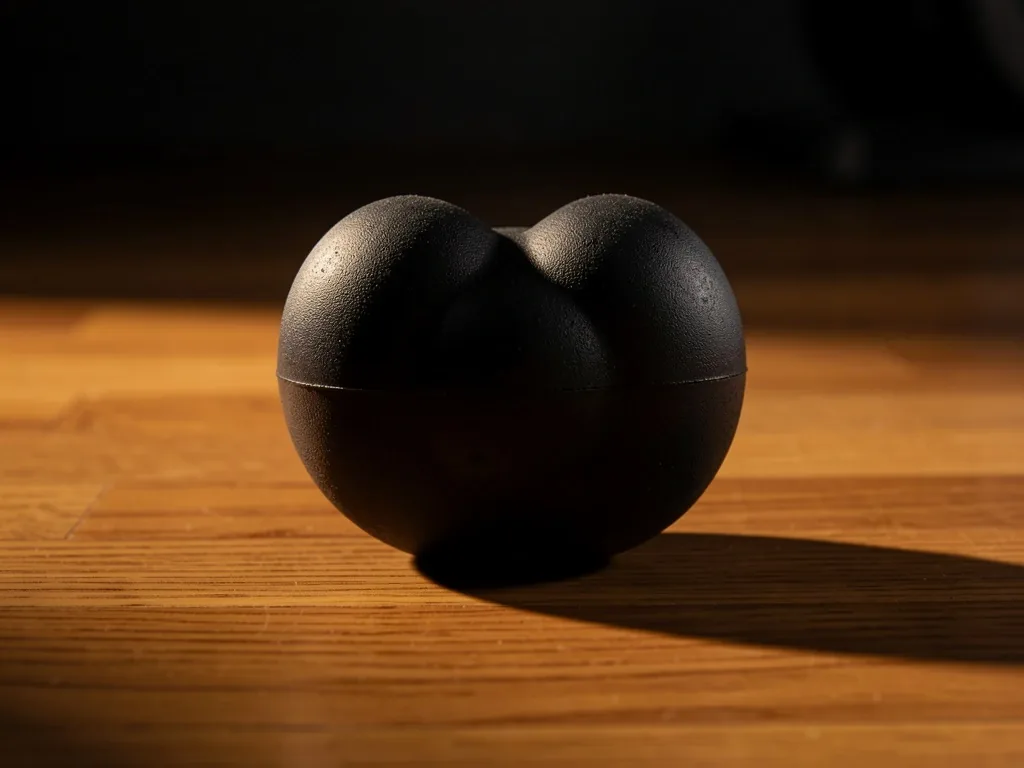
Standard rollers are excellent for large muscle groups like the quads, but smaller areas require more focus. The peanut massage ball is shaped specifically to cradle the spine while targeting the erector spinae muscles.
It is also an effective tool for the arches of the feet and the suboccipital muscles at the base of the skull. The twin-lobe design means you can apply direct pressure to a narrow band of tissue without compressing the vertebrae themselves.
For athletes who train hard and carry tension in the neck or upper back, a peanut ball offers a level of reach that a cylindrical roller simply cannot match.
High-Density vs. Soft Rollers
We offer different densities to cater to varying levels of experience and sensitivity. Choosing the right one depends on how familiar your muscles are with direct pressure.
For Beginners
Beginners may prefer a softer roller to gradually introduce the body to myofascial release. The gentler surface lets you build tolerance and learn proper positioning without overwhelming sensitive tissue.
- — Lower pressure per square inch
- — Ideal for daily light use
- — Good entry point for foam rolling exercises
For Advanced Use
Advanced users often opt for our high-density black foam rollers, which provide a firmer surface for deeper tissue engagement. The rigid core means pressure stays concentrated exactly where you place it.
- — Firm, unyielding surface
- — Deeper tissue reach
- — Built for experienced athletes
Techniques for Muscle Knots
Learning how to release muscle knots involves finding the trigger point and maintaining steady pressure for 30 to 60 seconds. Our rollers provide a stable platform for this technique, allowing you to breathe through the tension.
This localized approach is more effective than simply rolling back and forth rapidly. The goal is to let the tissue adapt under sustained load — not to generate friction across the skin.
Durability for Daily Use
Our foam rollers are constructed from professional-grade EPP or EVA foam, ensuring they do not compress or lose their cylindrical shape over time. This durability is essential for athletes who incorporate MFR into their daily pre-workout or post-workout rituals.
A roller that flattens after a few weeks of use stops delivering consistent pressure. The materials we stock are chosen because they hold their form under repeated body-weight load — session after session, month after month.
Portable MFR Solutions
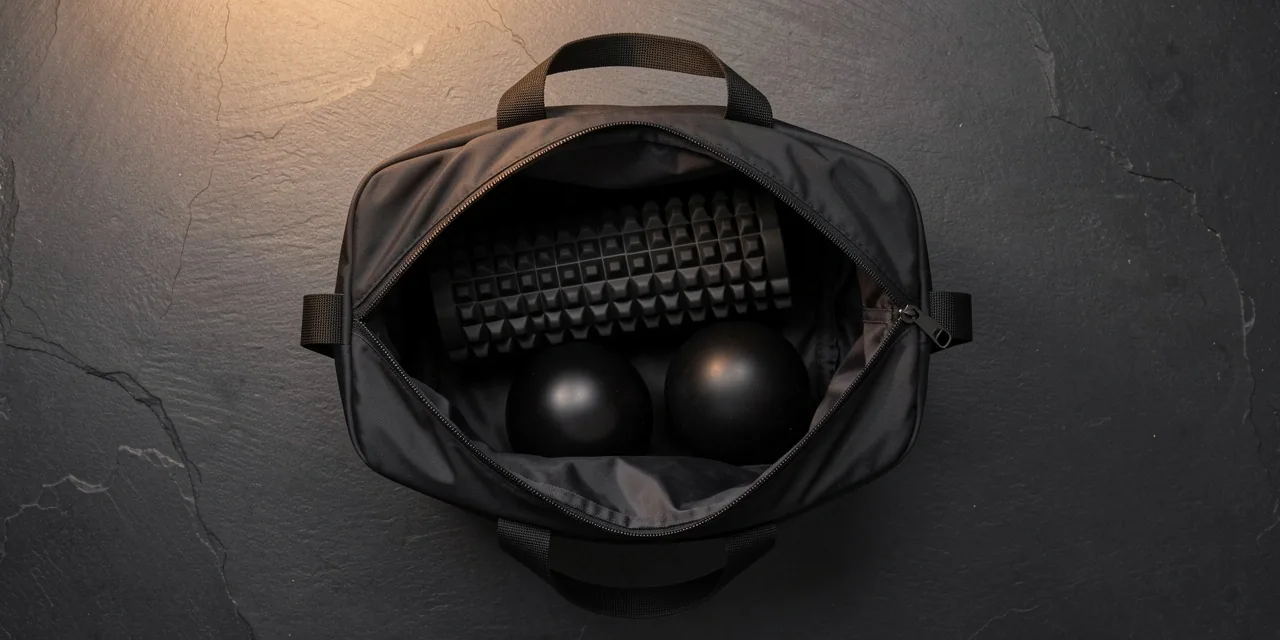
For those who train at multiple locations, we offer compact rollers and massage balls that fit easily into a gym bag. Maintaining your mobility should not stop just because you are travelling.
These portable tools ensure you can address muscle tightness wherever you are in the UK. A short travel roller or a pair of massage balls take up minimal space but cover most of the same ground as a full-size option.
Upper Back and Shoulder Release
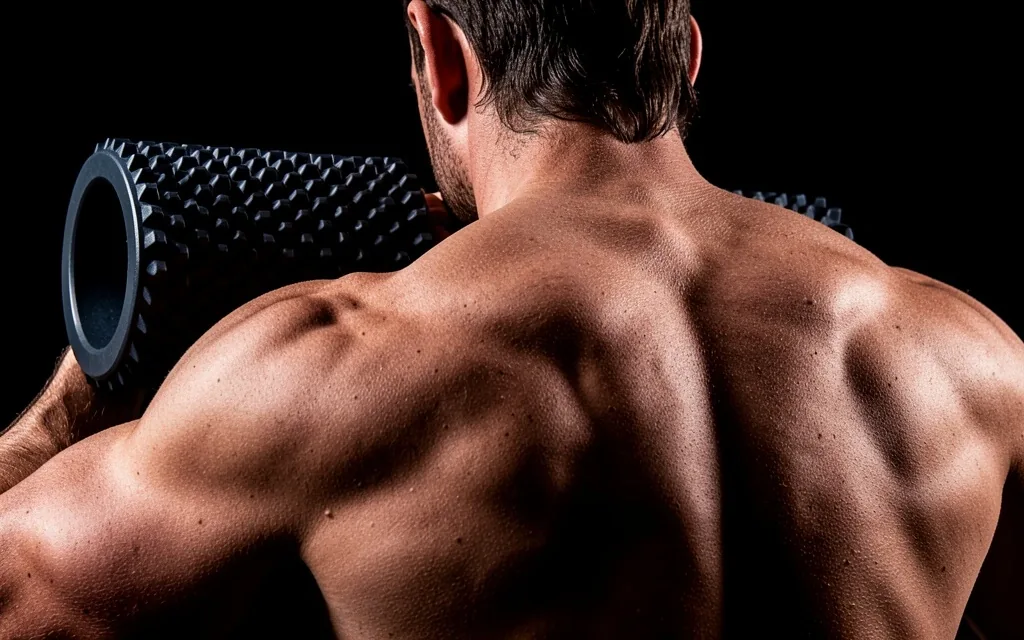
Many people hold tension in their upper back due to desk work. A textured muscle massage roller can help break up the stiffness around the shoulder blades.
By positioning the roller horizontally and moving slowly, you can encourage better thoracic mobility. The textured surface grips clothing and skin, allowing you to control the pressure point without the roller sliding away.
Lower Body Recovery
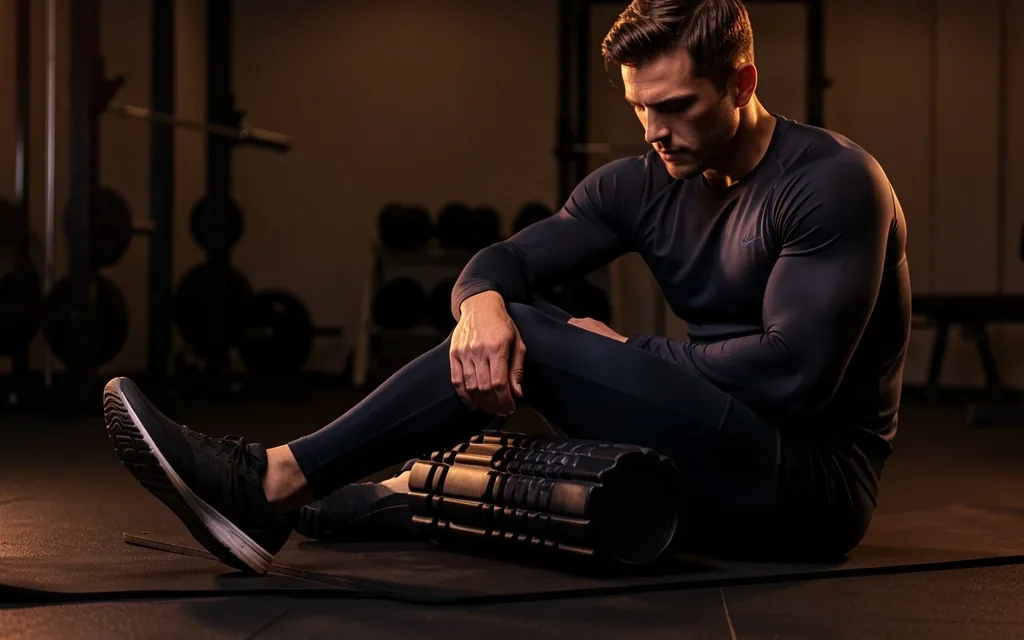
The IT band, hamstrings, and calves are common areas of tension for runners. Using a long foam roller allows for stable movement across these larger surface areas.
Consistent application helps keep the lower body feeling light and ready for the next training session. A full-length roller gives you the runway to cover the entire leg in a single, controlled pass.
Compare MFR Tools Across Categories
Foam rollers are one part of a complete recovery setup. Pair them with stretching equipment, resistance bands, and support accessories to cover warm-up, training, and cool-down in one kit.
MFR Kit
88 Wellness Way, Edgbaston
Birmingham, B15 2TH
United Kingdom