The Ultimate Guide to Muscle Recovery and Mobility
Effective recovery is a science of consistency and the right tools. Understanding how to use your equipment is just as important as the equipment itself — foundational knowledge on post-workout recovery, improving flexibility, and maintaining joint health through proven myofascial and stretching techniques.
Principles of Post-Workout Recovery
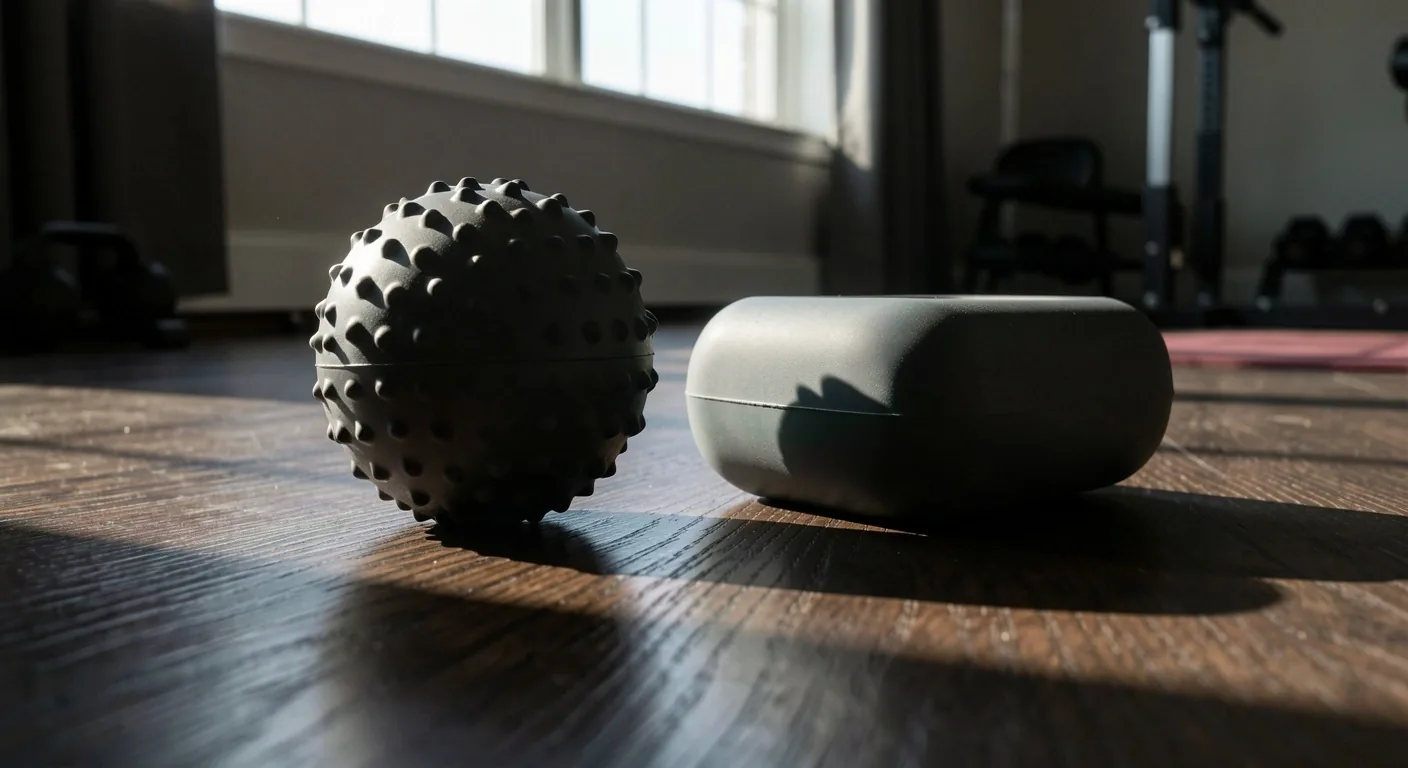
Recovery begins the moment your workout ends. The goal is to facilitate the body's natural repair processes by promoting blood flow and reducing muscle tension. Utilizing a foam roller immediately after training can help move metabolic waste out of the muscle tissue, setting the stage for better rest.
Think of the first ten minutes after exercise as a window where your muscles are warm and receptive. Slow, deliberate rolling along the length of the muscle — not fast, aggressive passes — gives the tissue time to respond. Focus on large muscle groups like the quads, hamstrings, and lats, spending roughly thirty seconds on each area before moving on.
How to Relieve Muscle Tension
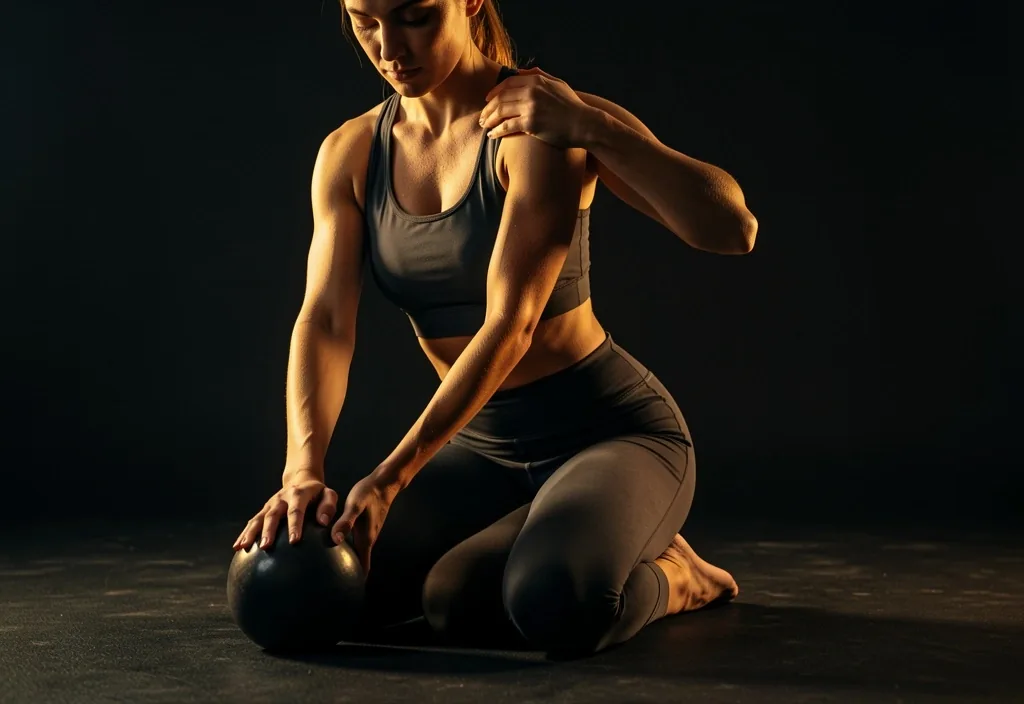
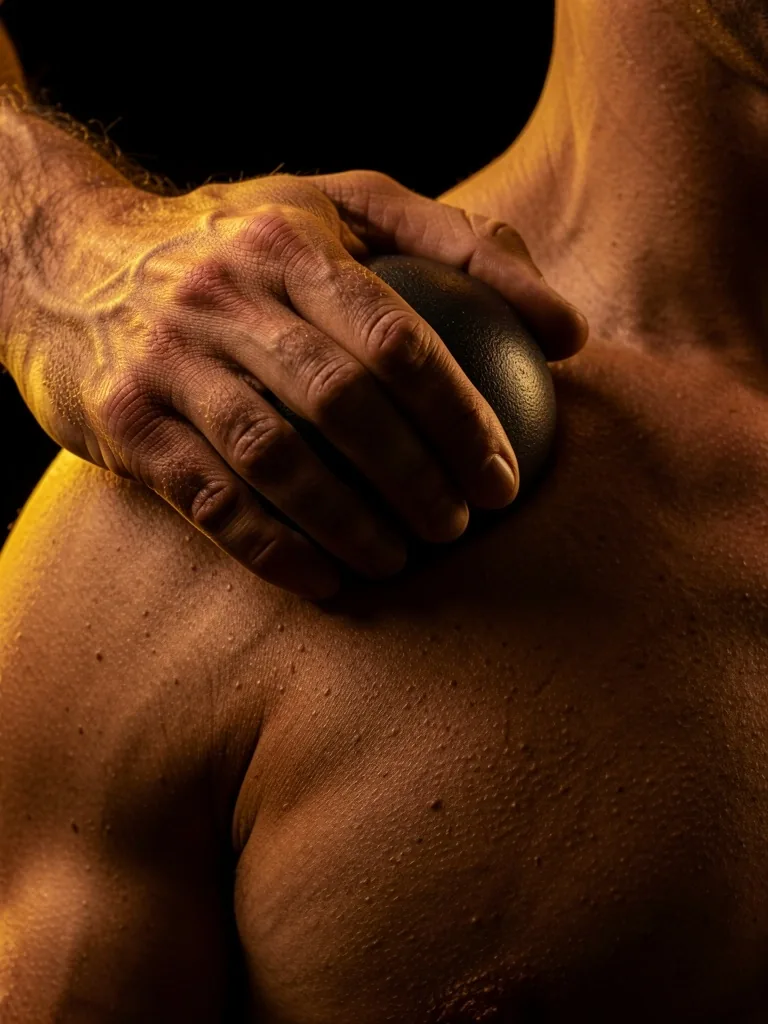
Muscle tension often accumulates in specific areas like the upper traps, glutes, and calves. To relieve this, use a massage ball to apply static pressure to the tightest point. Hold the position and breathe deeply, allowing the muscle to relax over the tool. Avoid rolling quickly over the area, as this can trigger a protective contraction.
The Static Pressure Method
-
A.
Locate the tightest point by slowly rolling the massage ball over the area until you feel a concentrated knot or dense spot.
-
B.
Stop directly on that point and hold static pressure. Do not roll back and forth — the goal is sustained, gentle compression.
-
C.
Breathe deeply and slowly. On each exhale, let your body weight settle further into the ball. Hold for 30–60 seconds.
-
D.
Release, shift slightly, and repeat. If you feel a protective contraction, ease off — less pressure held longer is more effective than force.
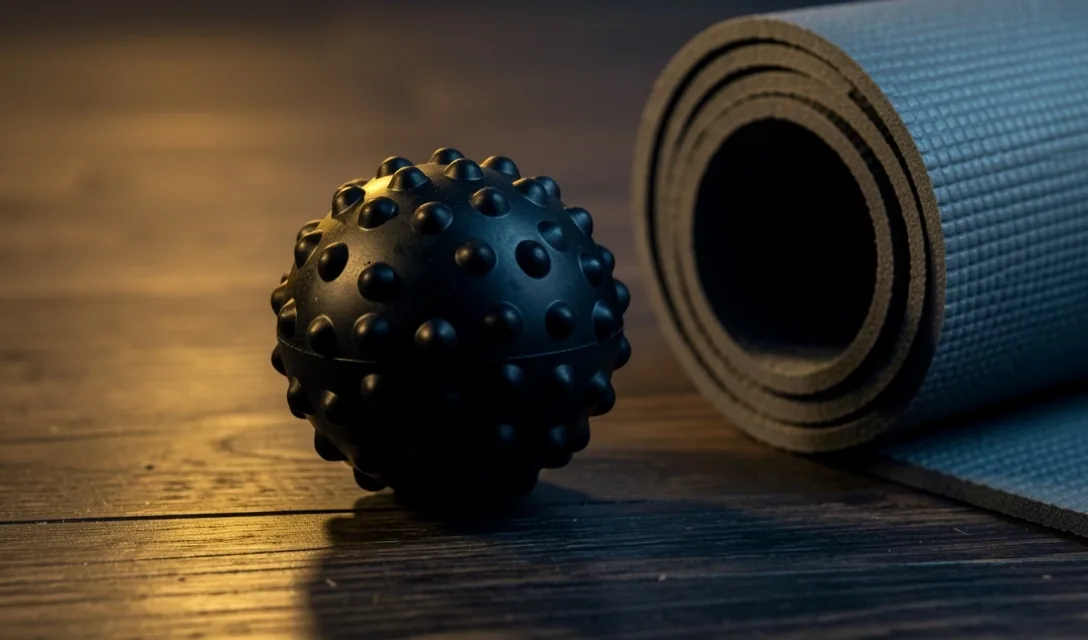
Quick passes do more harm than good
Fast rolling signals the nervous system to brace, not release. Slow down, breathe, and let the tissue accept the pressure at its own pace.
Mobility Tools for Seniors
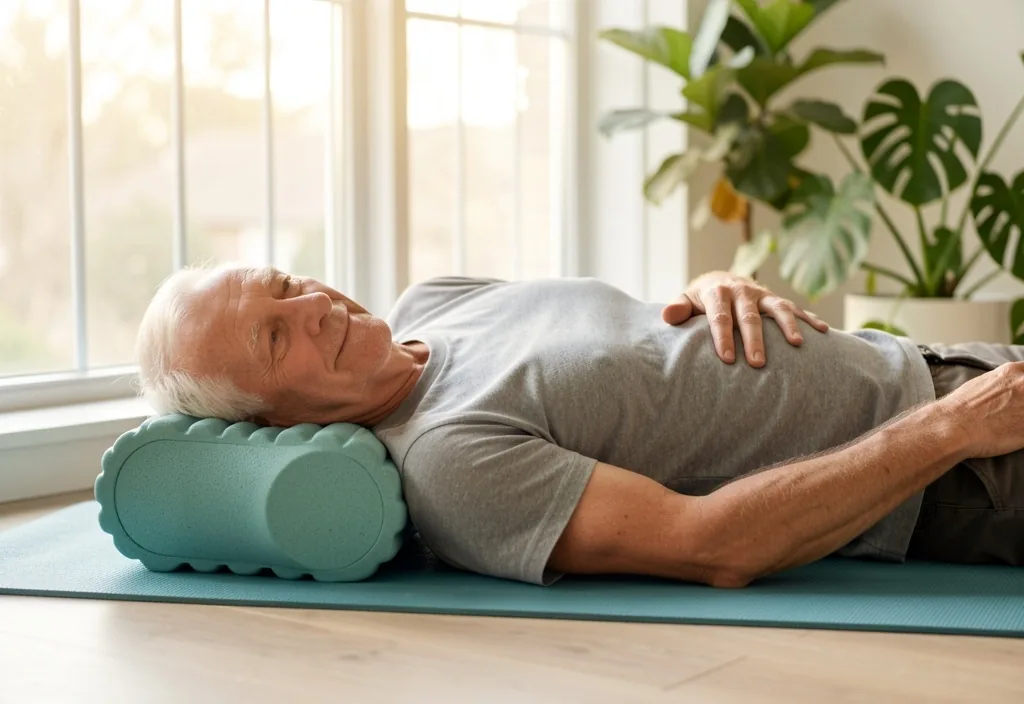
Maintaining mobility as we age is crucial for preventing falls and maintaining a high quality of life. Seniors should focus on gentle movements using yoga mats for stability and soft foam rollers for circulation. Low-impact stretching helps keep the joints lubricated and the muscles supple without high strain.
A softer-density roller is the right starting point — it provides the circulatory benefits of self-massage without the intense pressure that a firmer tool delivers. Paired with a cushioned pilates mat, even fifteen minutes of gentle rolling along the calves and upper back can help maintain range of motion and keep daily movement comfortable.
Stretching for a Stiff Back
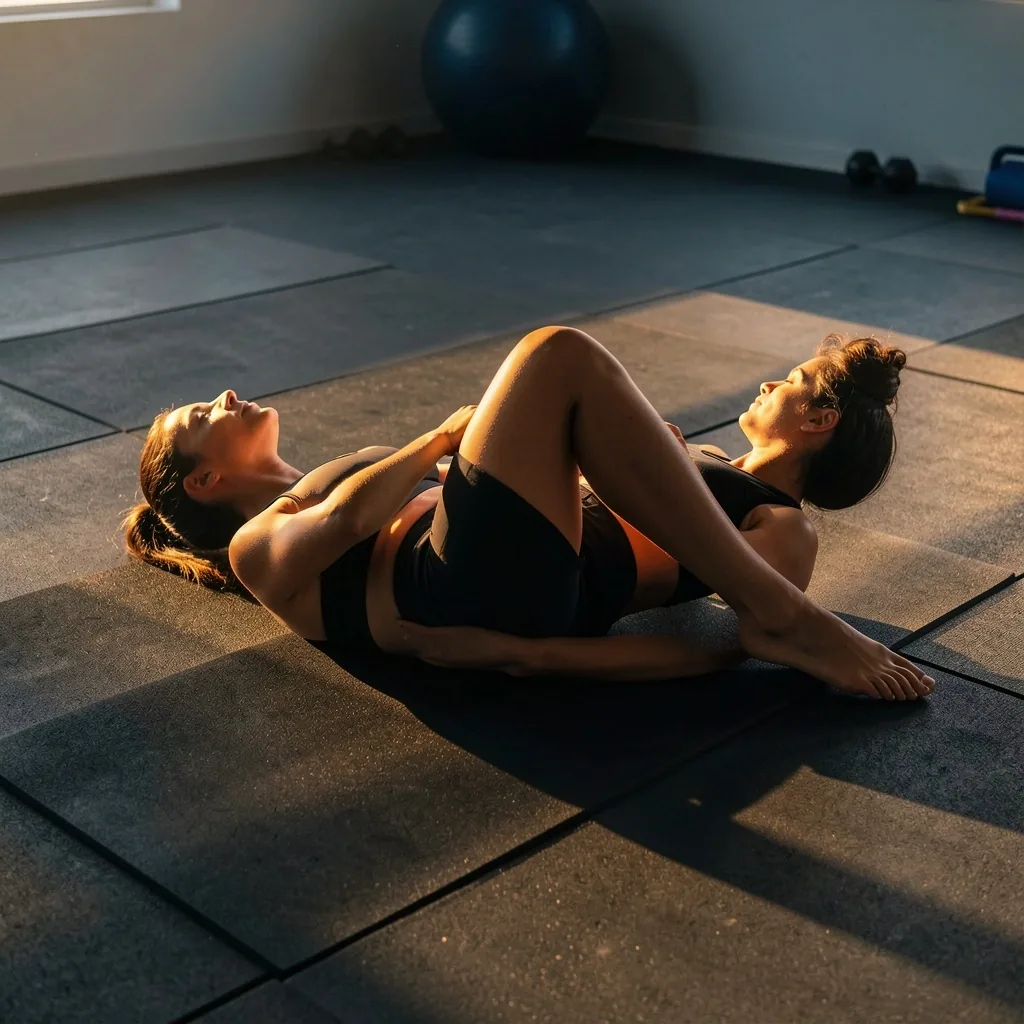
A stiff back is often the result of tight hamstrings and hip flexors. Our guide recommends a connected approach: stretch the legs first to take the pull off the pelvis, then move into gentle spinal twists on a padded mat. Using a back support cushion during the day can also prevent this stiffness from returning.
Hamstring stretch on the mat — 30 seconds per leg
Hip flexor lunge — gentle, supported, 30 seconds per side
Supine spinal twist — breathe deeply, hold 45 seconds each side
Improving Flexibility Over Time
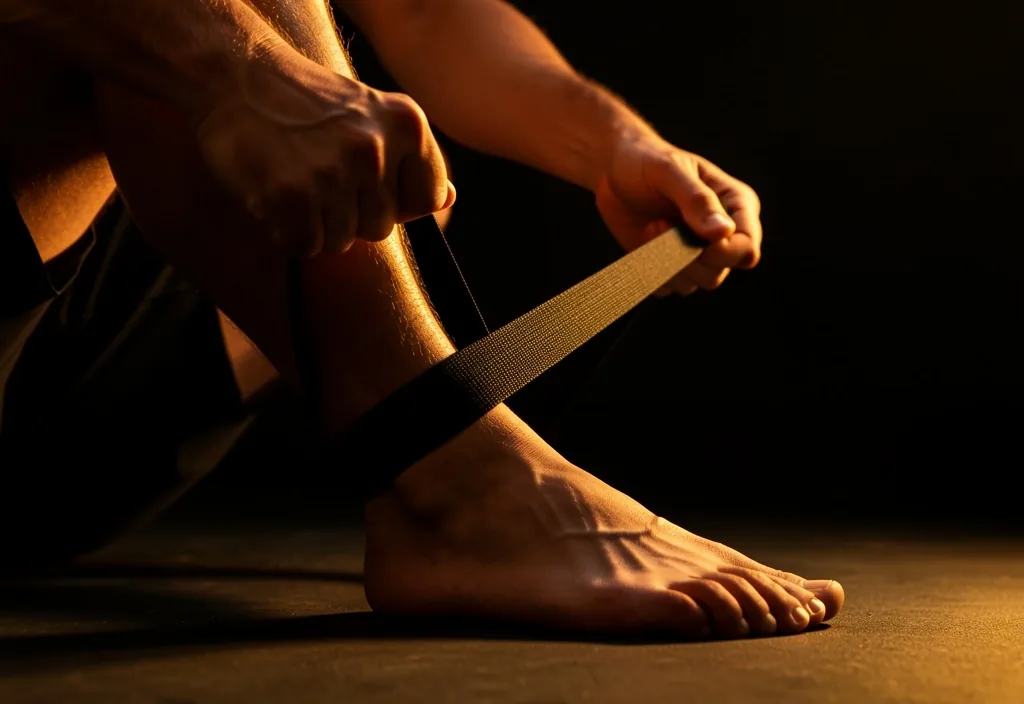
Flexibility is not a permanent trait; it requires regular maintenance. Aim for at least three sessions a week where you hold stretches for 30 seconds or longer. Using resistance bands can help you stay in a stretch safely, allowing your nervous system to relax and accept the new range of motion.
The band acts as an extension of your reach, letting you control the depth of a stretch without straining. Instead of grabbing your toes and pulling, you hook the band around the arch of your foot and gently pull back. This lets the muscle lengthen at a pace your body can accept — which is how lasting range of motion is built.
Foam Rolling Exercises for Runners
Runners often carry tightness in the IT band and quads. We suggest a routine that starts with the calves, moves to the hamstrings, and finishes with the hip flexors. Use the foam roller to find sensitive spots and spend extra time breathing into those areas to encourage the fascia to release.
Calves
Sit on the floor, cross one ankle over the other, and roll from the Achilles to the back of the knee. Rotate the leg slowly to reach both heads of the calf muscle.
Hamstrings
Roll from the sit bone down to the back of the knee. Keep the leg relaxed — if you find a tight spot, stop and flex the foot to activate the muscle against the roller.
Quads & IT Band
Lie face down and roll along the front of the thigh. For the IT band, lie on your side and roll from the hip to just above the knee. Pause on dense spots and breathe.
Hip Flexors
Face down, position the roller at the front of the hip. Roll slowly toward the top of the thigh. This area can be intense — reduce pressure by taking weight off the legs.
Safe Exercises for Knee Health
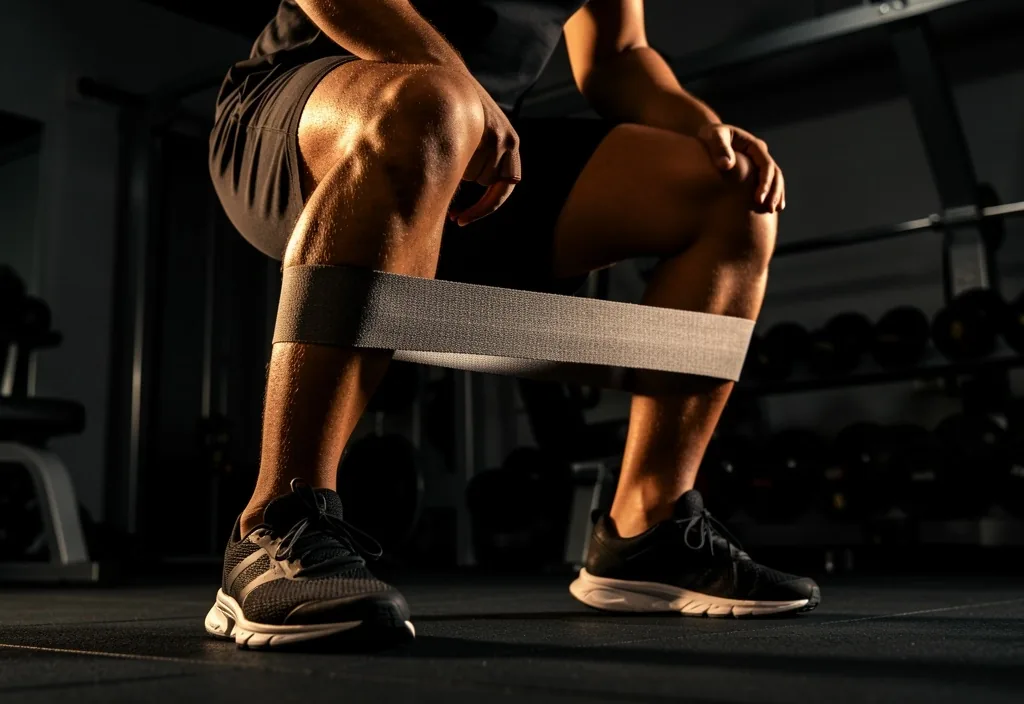
Knee health is supported by strong hips and ankles. Use fitness bands for lateral walks to strengthen the gluteus medius, which helps track the knee properly. When these supporting muscles are strong, the knee joint experiences less unnecessary stress during daily activities.
A knee support sleeve worn during activity adds proprioceptive feedback — a gentle cue that helps you maintain better alignment. Combined with banded strength work, this approach addresses the root cause rather than compensating around it.
Creating a Sustainable Routine
The best recovery routine is one you actually do. You don't need an hour; even fifteen minutes of targeted MFR and stretching can make a difference. Keep your foam roller and mat in a visible place to remind you to take a few minutes for your physical well-being every evening.
Minutes per evening
Enough for calves, hamstrings, and a brief spinal twist.
Sessions per week
The minimum rhythm for maintaining flexibility gains.
Seconds per stretch
Long enough for the nervous system to accept the new range.
Build your kit and start tonight.
Everything you need for a consistent fifteen-minute recovery routine — rollers, balls, bands, and mats.
Frequently Asked Questions
Density grades, sizing, and how to choose between a smooth roller and a textured one — answered in plain terms.
Talk to Our Team
Based in Birmingham, we can help you pick the right foam roller, massage ball, or stretching kit for your routine.